Is Your Data Security Truly Strong Enough?
Uncover the critical risks, essential data security practices, and why proactive data security protection is vital for your business’s future.
| Key Metric / Fact | Relevance to Data Security | Source |
| $4.88 Million (Average Cost) | Global average cost of a data breach in 2024, highlighting significant financial risk. | IBM (2024 Data) |
| 204 Days (Average Time) | To identify a data breach, emphasizing the prolonged vulnerability period. | IBM (2024 Data) |
| 60% (Small Businesses) | Go out of business within 6 months of a cyberattack, showing existential threat. | GettrustedIO |
The Alarming Reality: Why Data Security Is More Critical Than Ever
In the digital age, data is the lifeblood of every business. From customer records and financial transactions to intellectual property and employee information, your data is your most valuable asset. Yet, it is also your most vulnerable. The question “How secure is your data?” is no longer a rhetorical one; it’s a critical inquiry that demands immediate and comprehensive answers.
The threat landscape is more complex and aggressive than ever before. Cybercriminals are evolving their tactics, leveraging sophisticated methods like AI-powered phishing, advanced ransomware, and supply chain attacks. They target organizations of all sizes, often seeing small and medium businesses as easier targets with fewer defenses.
Consider these alarming realities:
- Soaring Costs of Breaches: The global average cost of a data breach reached a staggering $4.88 million in 2024, according to IBM’s annual report. This isn’t just about direct financial losses; it includes reputational damage, legal fees, regulatory fines, and lost customer trust.
- Persistent Threats: It takes an average of 204 days to identify a data breach. That’s nearly seven months where intruders could be lurking in your systems, exfiltrating data, or planning further attacks, often undetected.
- Existential Threat to SMBs: For small businesses, the consequences are often catastrophic. A shocking 60% of small businesses go out of business within six months of a cyberattack. They simply lack the resources to recover from the financial, operational, and reputational fallout.
- Sophistication of Attacks: Cybercriminals are no longer just script kiddies. They are organized, professional groups, sometimes state-sponsored, employing advanced techniques that can bypass traditional defenses.
- Regulatory Pressure: Governments worldwide are enacting stringent data privacy laws (like GDPR, CCPA, HIPAA), imposing hefty fines for non-compliance and data mishandling.
Ignoring data security is akin to leaving your business’s most valuable assets in the middle of a busy highway. It’s not a matter of if your data will be targeted, but when. Proactive, robust data security is no longer an option; it’s an absolute imperative for every organization’s survival and sustained success.
Understanding the Risks of Poor Data Security
The direct financial cost of a data breach is just the tip of the iceberg. When your data isn’t adequately secured, the ripple effects can devastate your business, impacting everything from your daily operations to your long-term reputation and viability. Understanding these tangible consequences underscores the urgency of robust data protection.
Here’s what truly happens when your data falls into the wrong hands or is compromised:
- Financial Ruin:
- Direct Costs: This includes forensic investigations, legal fees, regulatory fines (which can be millions under GDPR or HIPAA), public relations crisis management, credit monitoring services for affected customers, and system remediation.
- Lost Revenue: Downtime from a ransomware attack or system lockout can halt sales, service delivery, and operations, leading to significant immediate revenue loss.
- Recovery Costs: Rebuilding systems, investing in new security infrastructure, and hiring additional staff for incident response can be astronomical.
- Reputational Damage & Loss of Trust:
- Customer Exodus: A data breach erodes customer trust. If customers feel their personal information isn’t safe with you, they will take their business elsewhere, often permanently.
- Brand Erosion: Your brand’s image takes a severe hit. News of a breach spreads quickly, making headlines and potentially becoming a permanent stain on your company’s reputation, deterring new clients and partners.
- Investor Hesitation: Public companies may see their stock prices drop, and private companies might struggle to attract investment.
- Legal & Regulatory Penalties:
- Hefty Fines: Non-compliance with data privacy laws like GDPR, HIPAA, or PCI DSS can result in massive fines, sometimes reaching millions of dollars or a percentage of global revenue.
- Lawsuits: Affected individuals or even other businesses can file class-action lawsuits seeking damages for exposed data or business disruption.
- Operational Restrictions: Regulatory bodies might impose operational restrictions or require extensive audits, further impacting your business.
- Operational Disruption & Downtime:
- System Lockouts: Ransomware attacks can encrypt all your files, rendering your systems unusable until a ransom is paid (with no guarantee of recovery).
- Service Interruption: DDoS attacks can make your website or online services inaccessible, leading to lost sales and customer frustration.
- Investigation Impact: During a security incident, resources are diverted, employees are stressed, and business continuity is severely hampered as investigations unfold.
- Loss of Intellectual Property & Competitive Edge:
- Trade Secret Theft: Sensitive R&D, product designs, marketing strategies, or customer lists can be stolen by competitors or malicious actors, severely undermining your market position.
- Competitive Disadvantage: If your unique data or strategic plans are compromised, your ability to innovate and compete effectively is severely diminished.
In an environment where a single breach can be an existential threat, understanding these risks is the first step towards building an impregnable defense for your business data.
The Pillars of Protection: Foundational Data Security Principles (CIA Triad)
At the heart of every robust data security strategy lies a fundamental framework known as the CIA Triad: Confidentiality, Integrity, and Availability. These three principles are the bedrock upon which all effective security measures are built, ensuring that data is protected in a holistic and comprehensive manner. Understanding the CIA Triad is crucial for any organization aiming for true data security.
- 1. Confidentiality in Data Security:
- What it means: This principle ensures that sensitive information is accessible only to authorized individuals. It’s about preventing unauthorized disclosure of data. Think of it as keeping secrets safe.
- How it’s achieved:
- Encryption: Converting data into a coded format to prevent unauthorized access. This applies to data at rest (storage) and in transit (network).
- Access Controls: Implementing strong authentication (passwords, multi-factor authentication) and authorization (role-based access control, least privilege) to restrict who can view specific data.
- Data Masking/Redaction: Hiding or obscuring sensitive data elements (e.g., credit card numbers) from unauthorized viewers.
- Physical Security: Protecting physical access to data centers and devices.
- Example: Only HR personnel can view employee salary information; customer credit card details are encrypted.
- 2. Integrity in Data Security:
- What it means: This principle ensures that data is accurate, complete, and trustworthy throughout its entire lifecycle. It’s about preventing unauthorized modification or destruction of data. Think of it as ensuring the truthfulness and reliability of information.
- How it’s achieved:
- Hashing/Digital Signatures: Cryptographic techniques that verify data hasn’t been tampered with.
- Access Controls: Restricting who can modify data, similar to confidentiality, but focused on write permissions.
- Version Control: Tracking changes to documents and code, allowing rollbacks to previous, uncorrupted versions.
- Checksums: Verifying the integrity of files during transmission or storage.
- Data Validation: Ensuring data entered into systems meets predefined rules and formats.
- Example: A financial report cannot be altered without detection; a database entry is accurate and hasn’t been corrupted.
- 3. Availability in Data Security:
- What it means: This principle ensures that authorized users can access the information and systems when they need them. It’s about ensuring uninterrupted access to data and services. Think of it as keeping systems up and running.
- How it’s achieved:
- Regular Backups: Creating copies of data that can be restored in case of data loss or system failure.
- Redundancy: Implementing redundant hardware, software, and network components to prevent single points of failure.
- Disaster Recovery (DR) Planning: Developing comprehensive plans for restoring IT operations after a major disaster.
- Load Balancing: Distributing network traffic to ensure no single server is overwhelmed.
- System Maintenance & Patching: Regularly updating systems to prevent vulnerabilities and ensure optimal performance.
- Example: Your e-commerce website remains accessible to customers 24/7; employees can always log in to their critical business applications.
By focusing on these three core principles – Confidentiality, Integrity, and Availability – organizations can build a resilient data security posture that protects against a wide array of threats and ensures their most valuable digital assets remain secure and accessible.
Essential Data Security Best Practices for Businesses
Establishing a robust data security posture requires a multi-layered approach, combining technology, processes, and people. It’s not a one-time setup but an ongoing commitment. Here are essential data security best practices that every business, regardless of size, should implement to protect its valuable information.
- Implement Strong Access Controls & Multi-Factor Authentication (MFA):
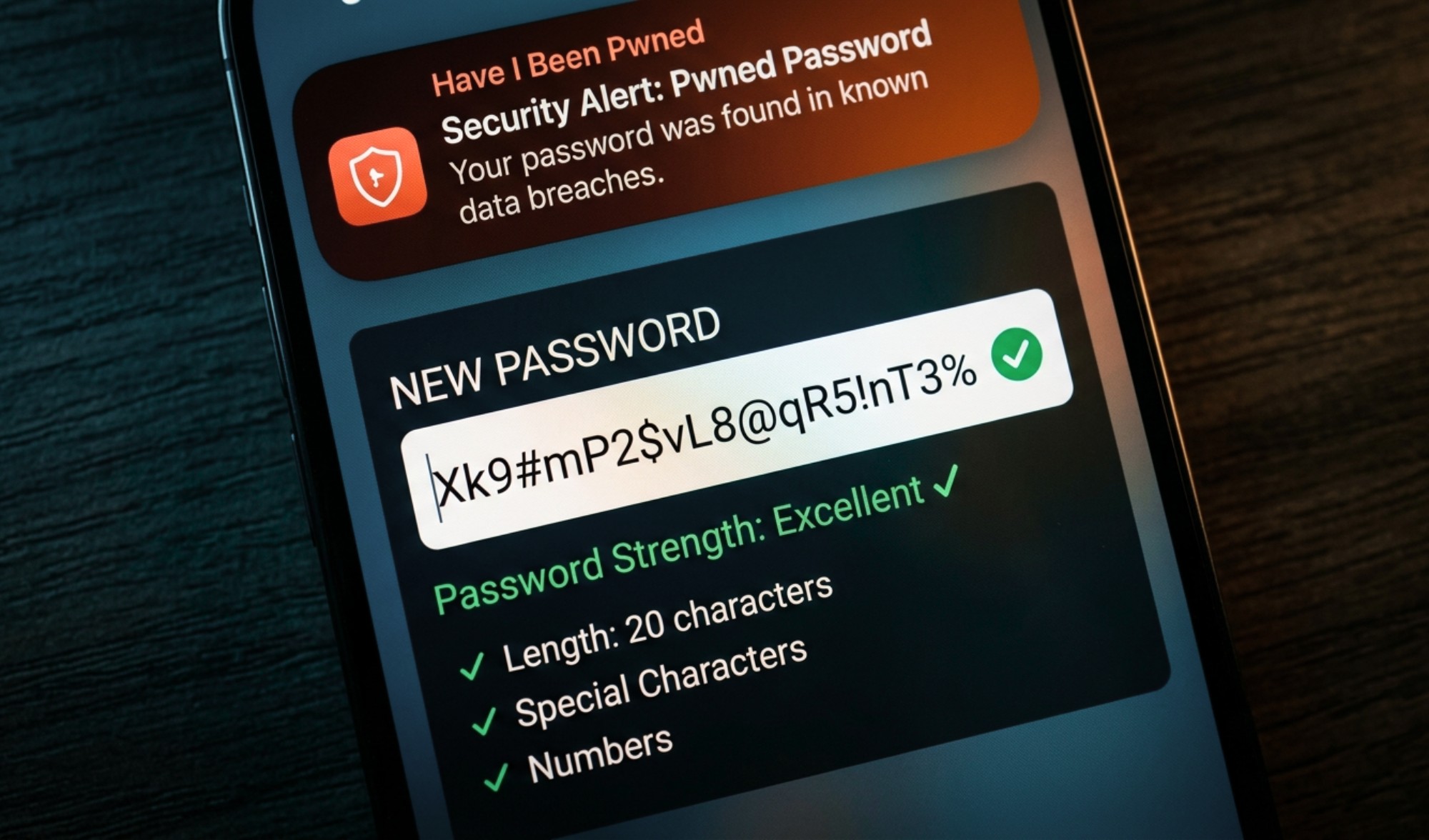
- Action: Enforce complex password policies (length, special characters), regularly review and revoke access for departed employees, and mandate Multi-Factor Authentication (MFA) for all accounts, especially for critical systems and remote access.
- Why: Passwords can be stolen. MFA adds a crucial second layer of verification, making it exponentially harder for unauthorized users to gain access even if they have a password.
- Regular Data Backups & Disaster Recovery Planning:
- Action: Implement a comprehensive backup strategy (e.g., 3-2-1 rule: three copies, two different media types, one offsite). Regularly test your backups to ensure they are recoverable. Develop and practice a detailed Disaster Recovery (DR) plan.
- Why: Backups are your last line of defense against data loss due to cyberattacks (like ransomware), hardware failures, or natural disasters. A DR plan ensures rapid recovery.
- Employee Training & Awareness:
- Action: Conduct regular cybersecurity awareness training for all employees. Educate them on recognizing phishing attempts, social engineering tactics, safe Browse habits, and company data handling policies.
- Why: Employees are often the weakest link in the security chain. Well-trained staff can identify and prevent attacks before they succeed.
- Endpoint Security & Patch Management:
- Action: Deploy robust antivirus and anti-malware solutions on all endpoints (laptops, desktops, servers). Implement a rigorous patch management strategy to apply security updates to all software, operating systems, and firmware promptly.
- Why: Unpatched vulnerabilities are prime targets for attackers. Endpoint security provides real-time protection against malicious software.
- Network Security Measures (Firewalls, VPNs, Segmentation):
- Action: Utilize next-generation firewalls to control network traffic. Implement Virtual Private Networks (VPNs) for secure remote access. Segment your network to isolate critical data and systems, limiting the lateral movement of attackers.
- Why: These measures create barriers to entry for unauthorized users and contain the impact of any breach.
- Data Encryption (At Rest & In Transit):
- Action: Encrypt sensitive data both when it’s stored on servers or devices (data at rest) and when it’s being transmitted over networks (data in transit, e.g., using SSL/TLS for websites).
- Why: Encryption renders data unreadable to unauthorized individuals, even if they manage to gain access to your systems or intercept communications.
- Vendor Risk Management:
- Action: Thoroughly vet third-party vendors and service providers (cloud providers, software vendors) that have access to your data. Ensure they have adequate security controls and sign robust data protection agreements.
- Why: Supply chain attacks are a growing threat. Your security is only as strong as your weakest link, which can often be a third-party vendor.
- Regular Security Audits & Vulnerability Assessments:
- Action: Conduct periodic security audits, penetration testing, and vulnerability assessments by independent experts.
- Why: These activities identify weaknesses in your defenses before attackers exploit them, providing an objective assessment of your security posture.
Implementing these best practices creates a strong, multi-layered defense for your data, significantly reducing your risk exposure and building resilience against ever-evolving cyber threats.
| Threat Type | Description | Potential Business Impact | Prevention/Mitigation Strategies |
| Ransomware | Malware encrypts data, demanding payment for decryption. | Data loss, operational downtime, financial cost, reputational damage. | Robust backups, endpoint protection, employee training, network segmentation. |
| Phishing/Social Engineering | Deceiving individuals to gain unauthorized access or data. | Credential theft, data breaches, financial fraud, malware infection. | Employee awareness training, email filtering, MFA, strong authentication. |
| Insider Threats | Malicious or negligent actions by current/former employees. | Data theft, system sabotage, intellectual property loss, compliance violations. | Access controls (least privilege), monitoring, robust offboarding procedures, employee training. |
| Malware/Viruses | Malicious software designed to disrupt, damage, or gain unauthorized access. | System compromise, data corruption, operational disruption, data exfiltration. | Antivirus/anti-malware, patch management, network segmentation, firewalls. |
| DDoS Attacks | Overwhelming a system with traffic to disrupt service. | Website/service downtime, lost revenue, customer dissatisfaction, reputational damage. | DDoS mitigation services, strong network infrastructure, redundancy. |
| Weak Passwords/Credentials | Easily guessed or compromised login details. | Unauthorized access to accounts, data, and systems, leading to breaches. | MFA, complex password policies, password managers, regular password changes. |
| Unpatched Software | Exploiting vulnerabilities in outdated software/systems. | Easy entry points for attackers, system compromise, data theft, malware. | Timely patch management, automated updates, vulnerability scanning. |
Navigating the Regulatory Maze: Data Privacy Laws & Compliance
In today’s globalized digital economy, protecting data isn’t just about security; it’s also about compliance. A growing number of stringent data privacy laws and industry-specific regulations dictate how businesses must collect, store, process, and protect personal and sensitive information. Navigating this complex regulatory maze is crucial to avoid severe legal penalties, hefty fines, and significant reputational damage.
While the specifics vary by region and industry, most data privacy laws share common themes rooted in the CIA Triad:
- General Data Protection Regulation (GDPR) – EU/EEA:
- Scope: Applies to any organization processing personal data of individuals residing in the EU/EEA, regardless of where the organization is located.
- Key Principles: Lawfulness, fairness, transparency; purpose limitation; data minimization; accuracy; storage limitation; integrity and confidentiality; accountability.
- Impact: Requires explicit consent for data processing, grants individuals rights (e.g., right to access, erasure), mandates data breach notification within 72 hours, and imposes fines up to €20 million or 4% of global annual turnover, whichever is higher.
- Health Insurance Portability and Accountability Act (HIPAA) – USA:
- Scope: Protects sensitive patient health information (PHI) in the United States. Applies to healthcare providers, health plans, and healthcare clearinghouses, as well as their business associates.
- Key Requirements: Mandates administrative, physical, and technical safeguards for PHI.
- Impact: Violations can lead to significant civil and criminal penalties, and serious reputational damage for healthcare organizations.
- Payment Card Industry Data Security Standard (PCI DSS) – Global (Financial):
- Scope: A set of security standards designed to ensure that all companies that accept, process, store, or transmit credit card information maintain a secure environment.
- Key Requirements: Mandates specific security controls like firewall configuration, strong passwords, data encryption, regular testing of security systems, and maintaining an information security policy.
- Impact: Non-compliance can lead to severe fines from payment card brands, increased transaction fees, and the inability to process credit card payments, effectively halting business for many.
- California Consumer Privacy Act (CCPA) / California Privacy Rights Act (CPRA) – USA (California):
- Scope: Grants California consumers new rights regarding their personal information and imposes data protection obligations on businesses that conduct business in California and meet certain thresholds.
- Key Principles: Right to know, delete, opt-out of sales, non-discrimination.
- Impact: Similar to GDPR, it focuses on consumer rights and imposes significant penalties for violations.
Key Compliance Takeaways for Businesses:
- Understand Your Data: Know what data you collect, where it’s stored, who has access, and which regulations apply to it.
- Implement Strong Controls: The best security practices (encryption, access controls, backups) are often foundational to compliance.
- Document Everything: Maintain detailed records of your data processing activities, security measures, and compliance efforts.
- Train Employees: Ensure all employees understand their roles and responsibilities in data protection and privacy compliance.
- Appoint a DPO/Privacy Officer: For larger organizations, having a dedicated privacy professional is crucial.
- Conduct Regular Audits: Periodically assess your compliance posture against relevant regulations.
Navigating this complex landscape requires expertise. GiaSpace helps businesses understand their regulatory obligations and implement the necessary technical and procedural controls to achieve and maintain compliance, reducing risk and fostering trust.
Beyond Prevention: Building an Effective Incident Response Plan
While prevention is paramount, a harsh reality in cybersecurity is that no defense is 100% impenetrable. The question is not if your organization will face a security incident, but when. This makes an effective Incident Response (IR) Plan not just a luxury, but an absolute necessity for minimizing damage, ensuring business continuity, and facilitating a swift recovery.
An Incident Response Plan is a documented set of procedures that outlines how an organization will prepare for, detect, analyze, contain, eradicate, recover from, and post-analyze a cybersecurity incident.
Here are the key phases of an effective Incident Response Plan:
- 1. Preparation:
- What it involves: This ongoing phase is about proactive readiness. It includes developing the IR plan itself, forming an IR team with defined roles and responsibilities, acquiring necessary tools (e.g., forensic software, secure communication channels), conducting training exercises, and ensuring data backups are current and tested.
- Key Outcome: A well-prepared team that knows exactly what to do when an incident occurs, reducing panic and wasted time.
- 2. Identification:
- What it involves: The moment an incident is detected. This could be triggered by security alerts, user reports, unusual system behavior, or external notifications. The goal is to quickly confirm if an incident has occurred and assess its scope.
- Key Outcome: Confirmation of an incident, initial understanding of its nature (e.g., malware, unauthorized access), and immediate escalation to the IR team.
- 3. Containment:
- What it involves: The most critical phase: limiting the damage and preventing the incident from spreading further. This might include isolating affected systems, disconnecting networks, blocking malicious IP addresses, or shutting down compromised accounts.
- Key Outcome: The spread of the attack is halted, preventing further data exfiltration or system damage. This often involves difficult, immediate decisions.
- 4. Eradication:
- What it involves: Removing the root cause of the incident. This could mean wiping and reinstalling compromised systems, applying patches, removing malware, or strengthening security controls that were bypassed.
- Key Outcome: The threat is completely eliminated from the environment.
- 5. Recovery:
- What it involves: Restoring affected systems and data to normal operation. This includes restoring from clean backups, verifying system integrity, and bringing services back online in a secure manner.
- Key Outcome: Business operations are restored, and data is made available again, with assurances of security.
- 6. Post-Incident Activity (Lessons Learned):
- What it involves: This crucial final phase is about learning from the incident. The IR team conducts a post-mortem analysis, documents what happened, identifies weaknesses in security controls or processes, and recommends improvements to prevent future occurrences.
- Key Outcome: Enhanced security posture, refined IR plan, and a stronger, more resilient organization.
Developing and regularly testing an Incident Response Plan transforms a potential disaster into a manageable crisis. It allows businesses to respond systematically, minimize disruption, and ultimately, protect their reputation and bottom line. GiaSpace specializes in developing and implementing robust Incident Response Plans tailored to your organization’s specific needs, ensuring you are prepared for any eventuality.
GiaSpace: Your Trusted Partner in Data Security & Protection
In an increasingly complex and threatening digital landscape, the question “How secure is your data?” weighs heavily on every business owner. While understanding the risks and best practices is crucial, implementing and maintaining a robust data security posture requires specialized expertise, continuous vigilance, and significant resources. For many businesses, especially small to medium-sized enterprises, managing this in-house can be overwhelming.
This is where GiaSpace becomes your indispensable partner. With over 20 years of experience in cybersecurity and managed IT services, we don’t just provide solutions; we provide peace of mind. We act as your dedicated security team, safeguarding your most valuable asset – your data – so you can focus on growing your business.
Here’s how GiaSpace ensures your data is secure and protected:
- Comprehensive Cybersecurity Assessments: We begin by understanding your unique risk profile. Our experts conduct thorough assessments of your current security posture, identifying vulnerabilities and potential threats specific to your industry and operations.
- Proactive Threat Management: We deploy advanced, multi-layered security solutions, including next-generation firewalls, endpoint detection and response (EDR), intrusion prevention systems (IPS), and robust antivirus software. We proactively monitor your systems 24/7 for suspicious activity.
- Data Loss Prevention (DLP) & Encryption: We implement solutions to prevent sensitive data from leaving your control and ensure all critical data is encrypted both at rest and in transit, rendering it unreadable to unauthorized parties.
- Identity & Access Management (IAM): We fortify your defenses with strong access controls, including Multi-Factor Authentication (MFA), Single Sign-On (SSO), and privileged access management, ensuring only authorized individuals access your data.
- Managed Detection & Response (MDR): Our team provides continuous threat monitoring, intelligent detection of sophisticated attacks, and rapid, expert response capabilities to contain and eradicate threats before they escalate.
- Data Backup & Disaster Recovery (DR) Solutions: We design and implement robust backup strategies and comprehensive Disaster Recovery plans, ensuring your data is always recoverable and your business can quickly resume operations after any incident.
- Compliance & Regulatory Guidance: We help you navigate complex data privacy regulations (like GDPR, HIPAA, PCI DSS) by implementing the necessary technical controls and providing expert guidance to ensure your compliance.
- Employee Security Awareness Training: We empower your greatest asset – your employees – by providing engaging and effective security awareness training, transforming them from potential vulnerabilities into your first line of defense.
- Incident Response Planning & Support: In the event of a breach, GiaSpace provides clear, actionable incident response plans and expert support to quickly contain, eradicate, and recover from security incidents, minimizing damage and downtime.
Don’t leave your data security to chance. Partner with GiaSpace to build an impregnable defense around your business, ensuring your data is not just secure, but truly protected, allowing you to operate with confidence in today’s digital world.
Don’t Ask “How Secure?”, Ask “How Can We Be More Secure?”
The journey of data security is not a destination; it’s a continuous process. In a world where cyber threats are constantly evolving in sophistication and frequency, simply asking “How secure is our data?” is no longer sufficient. The more impactful and proactive question is: “How can we be more secure?”
This shift in mindset recognizes that security is not a static state but an ongoing commitment to vigilance, adaptation, and improvement. It acknowledges that new vulnerabilities emerge, new attack vectors are discovered, and new regulatory requirements arise.
Embracing this proactive approach means:
- Continuous Assessment: Regularly evaluating your security posture, identifying new weaknesses, and reassessing risks as your business evolves.
- Adaptive Defenses: Staying updated with the latest threat intelligence and implementing cutting-edge security technologies to counter emerging dangers.
- Ongoing Training: Continuously educating your employees on the newest phishing tactics, social engineering scams, and data handling best practices.
- Iterative Improvement: Treating every security incident (or even a near-miss) as a learning opportunity to strengthen your defenses and refine your incident response plans.
- Strategic Partnership: Recognizing that comprehensive data security requires specialized expertise that often extends beyond in-house capabilities.
For any business to thrive in the digital age, data security must be woven into the fabric of its operations, championed from the top down, and continually reinforced. It’s an investment in resilience, reputation, and uninterrupted innovation.
Don’t wait for a breach to happen. Proactively address the question of “How can we be more secure?” and partner with experts like GiaSpace to build a robust, evolving shield around your most critical asset – your data. Your business’s future depends on it.
Published: Jun 20, 2025
Need IT Support for Your Florida Business?
GiaSpace provides proactive managed IT services, cybersecurity, and local tech support across Florida — with teams in Gainesville, Fort Lauderdale, Jacksonville, and Ocala.
Managed IT Services FloridaCybersecurity Services FLGainesville IT ServicesFort Lauderdale IT Services