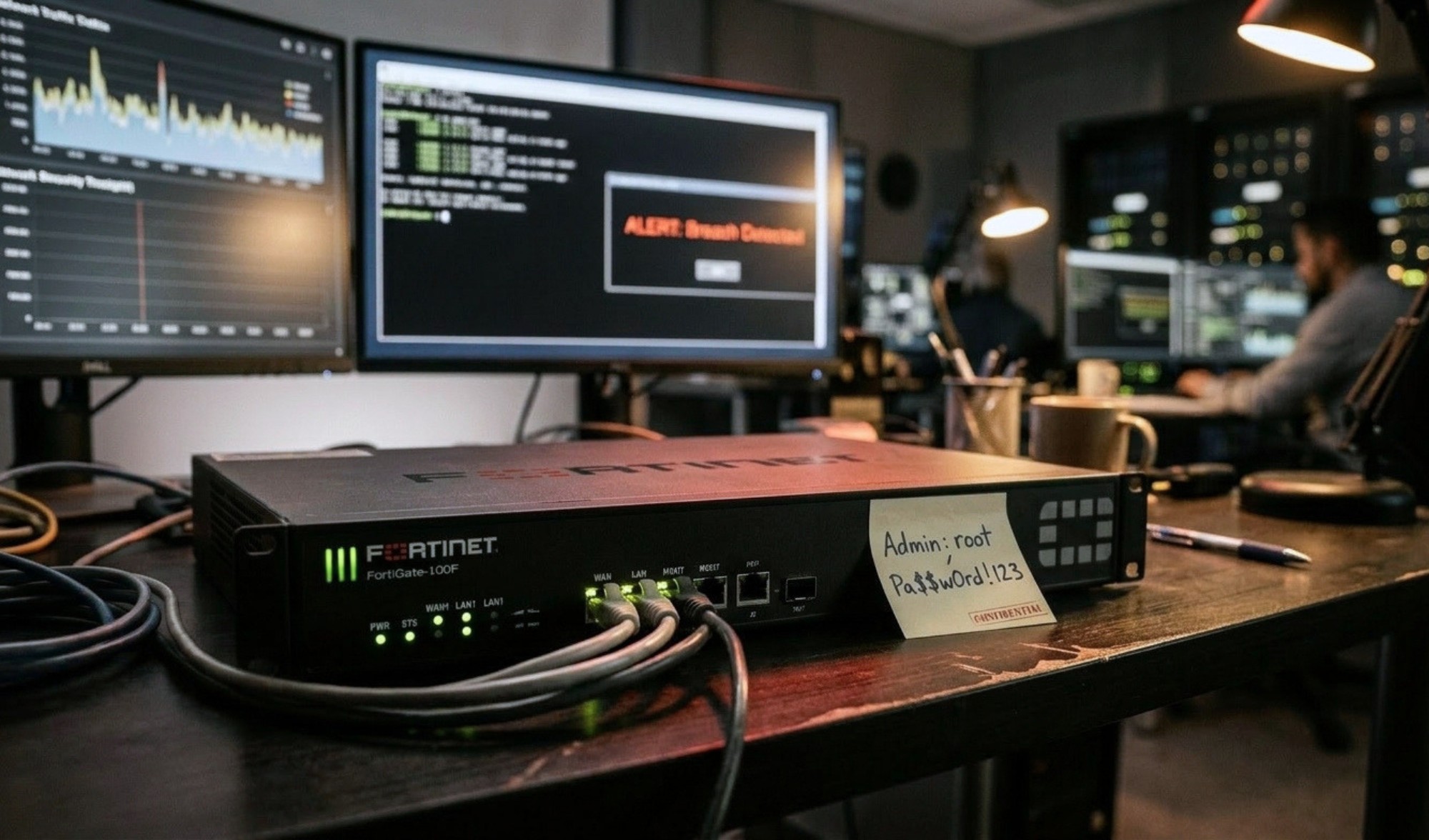
Most business owners imagine a hack as a dramatic moment. Alarms going off, screens flashing red, someone calling to say the network is down.
That is not how it works. Most of the time, you do not find out for months.
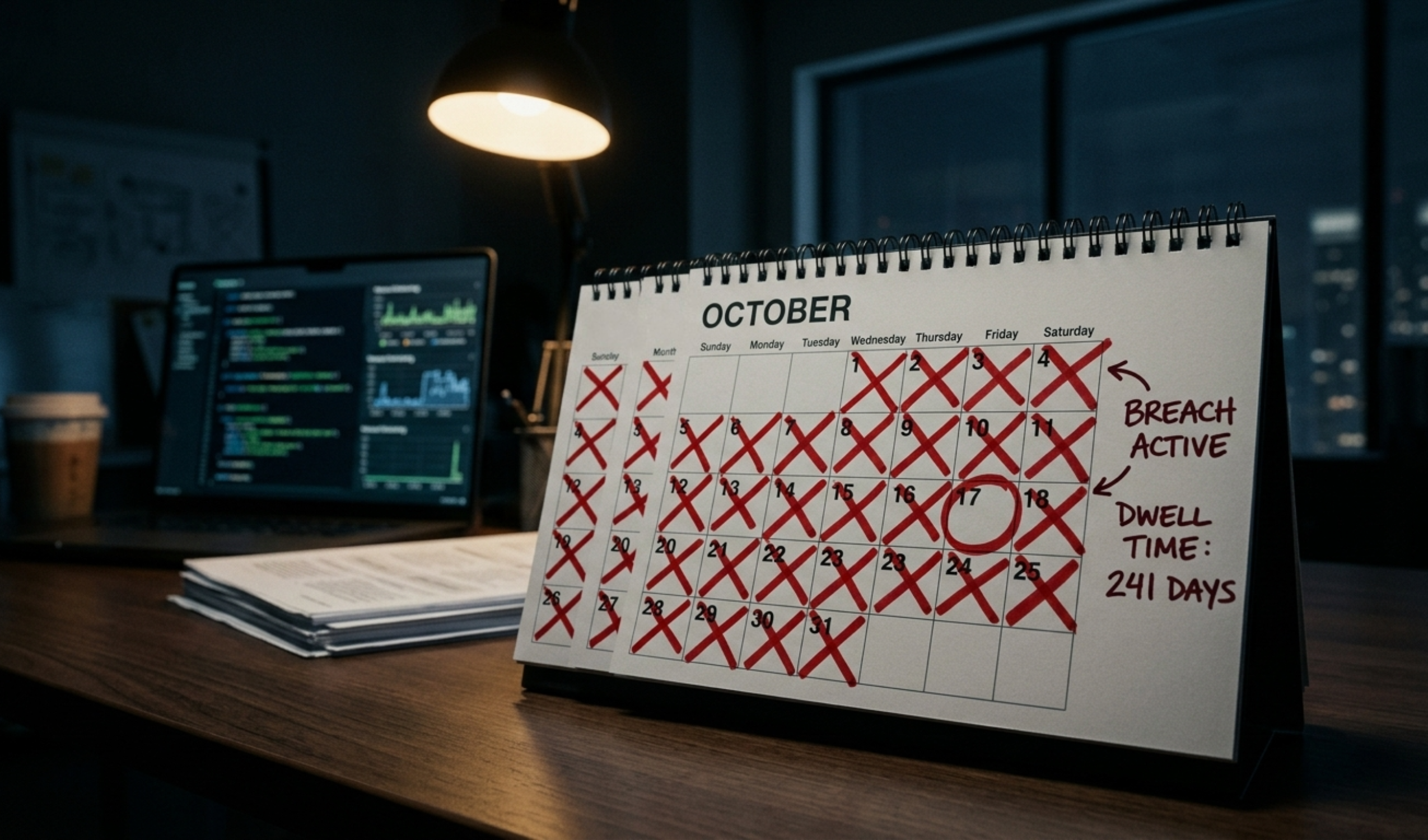
According to IBM’s 2025 threat data, the average attacker spends 241 days inside a network before detection. Eight months of quiet access while your team sends emails, processes payroll, and shares client files without knowing someone else is watching.
Here is what a real breach actually looks like, from the first moment to the last invoice.
Phase 1: The Entry (That Nobody Notices)
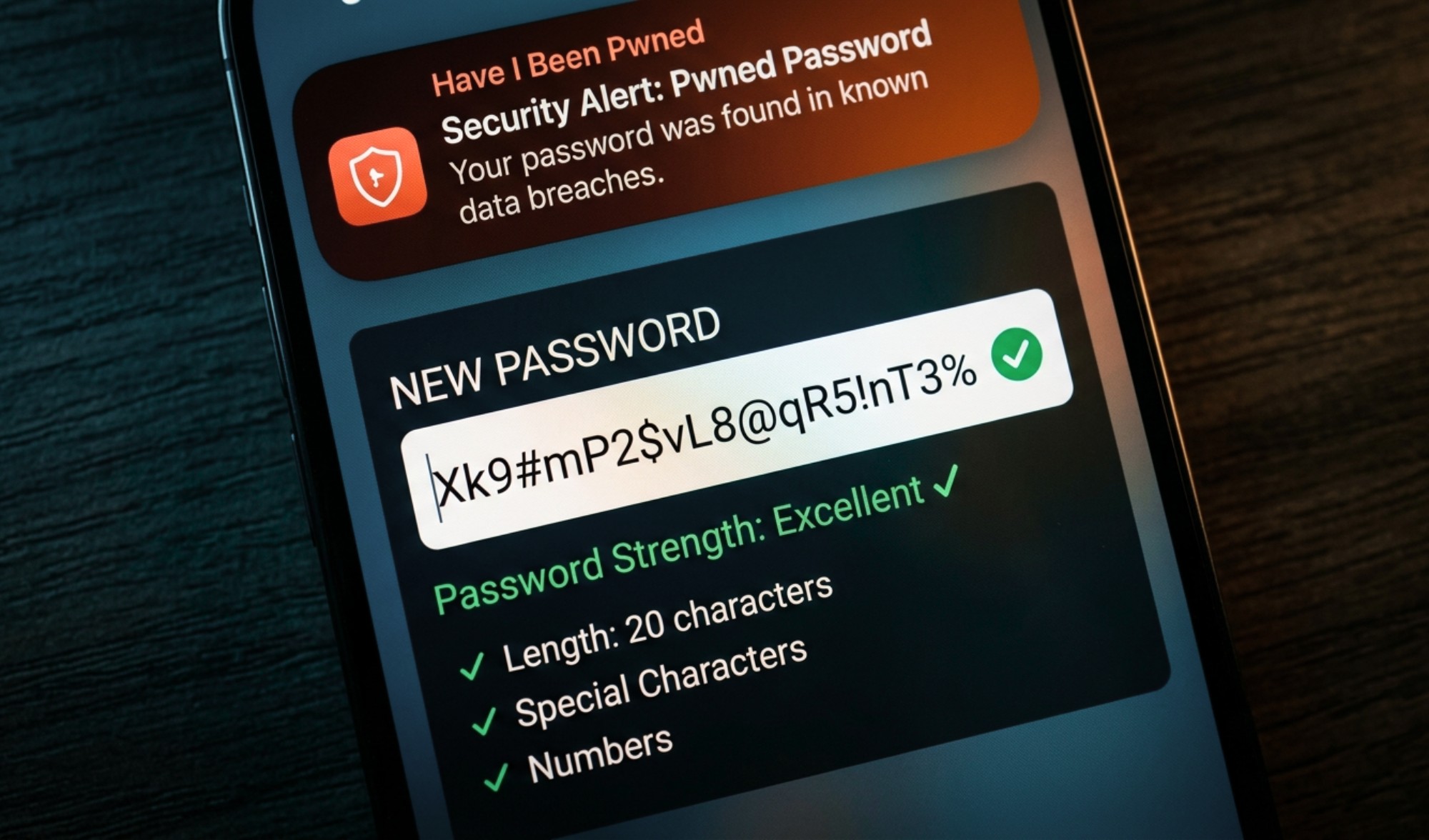
Most breaches start with something small. A phishing email that looked like it came from a vendor, a password reused from a previous breach, or a remote access tool left exposed on the internet.
The attacker gets in and does nothing visible. They map your network quietly, identify where your sensitive data lives, and establish multiple ways back in before anyone knows they were there (because one way back in can be closed, and multiple cannot). The entry point is almost never the thing that costs you the most. The dwell time is what does the real damage.
Phase 2: The Moment You Find Out
You will typically find out one of three ways:
- An employee notices something wrong. They cannot log in, files look different, or a client calls about a strange email that came from your domain.
- Your bank flags an unauthorized transaction. A wire transfer went somewhere it should not have. By the time this surfaces, the money is usually gone.
- The attacker tells you. Ransomware encrypts your files and leaves a note with payment instructions. This is the most expensive version of finding out.
What you do in the next four hours matters more than almost anything else. The instinct is to start fixing things immediately, but fixing things too fast destroys forensic evidence, which means you may never know how they got in or what they took (and your insurance provider will definitely want to know).
Phase 3: Containment and Fallout
The first priority is stopping the spread, not cleaning up the mess. Affected systems get isolated, credentials get reset, and your IT team needs to determine the scope before anyone starts wiping devices.
If you have cyber insurance, call them now. Most policies require notification within a specific window, and using an incident response firm outside the approved list can void coverage (which is a conversation nobody wants to have after the fact). If you are in a regulated industry, FIPA in Florida requires breach notification within 30 days. The clock is running whether or not you are ready.
For small businesses with 10 to 50 employees, total breach costs over 12 months typically run between $120,000 and $750,000. The three factors that determine where you land are cyber insurance, tested backups, and an incident response plan. Businesses that have all three recover faster and spend less, and businesses that have none spend the most.
What To Have in Place Before It Happens to You
- MFA on every account. Most breaches begin with stolen credentials. MFA stops the majority of them before they go anywhere.
- Tested backups. A backup you have never tested is not a backup. The worst time to find out it does not work is during an active breach.
- An incident response plan. It does not need to be long, but it needs to exist and be practiced so your team is not making decisions under pressure for the first time.
- Cyber insurance. Understand what your policy covers before you need to use it.
- A security partner who knows your environment. When something goes wrong at 6pm on a Friday, the worst time to explain your network layout is while you are trying to stop an active breach.
The Bottom Line
A hack is not a single moment. It is a process that starts long before you notice it and costs money long after you think it is over.
The businesses that come out the other side are not the ones who were lucky enough to avoid it. They are the ones who were prepared enough to contain it quickly when it happened.
→ Schedule Your Free Security Assessment with Rob
→ Learn More About Our Managed Security Services
Published: Apr 23, 2026
Need IT Support for Your Florida Business?
GiaSpace provides proactive managed IT services, cybersecurity, and local tech support across Florida — with teams in Gainesville, Fort Lauderdale, Jacksonville, and Ocala.
Managed IT Services FloridaCybersecurity Services FLGainesville IT ServicesFort Lauderdale IT Services