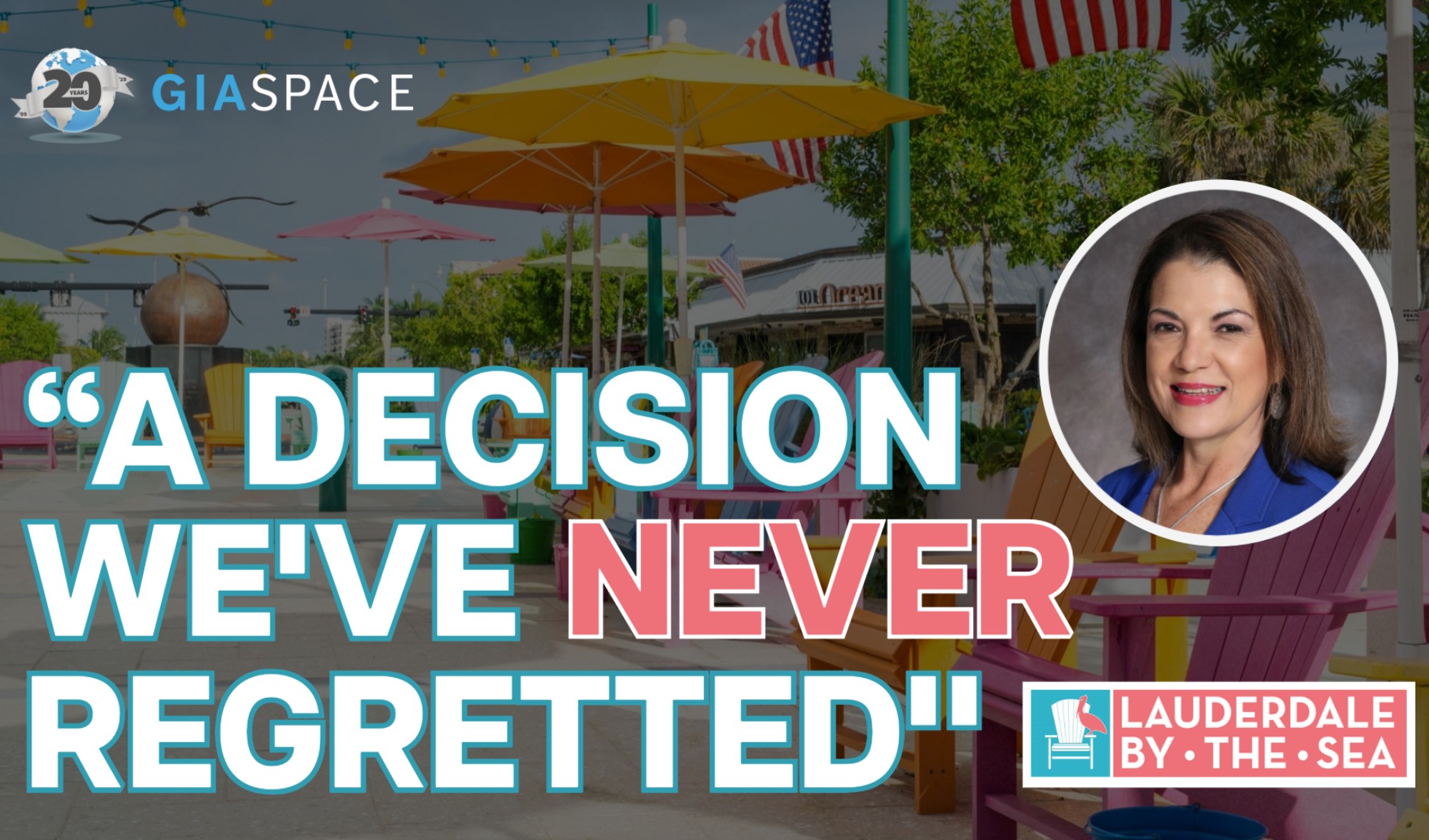
A solo family medicine practice in Central Florida cut documentation time by 30 minutes per provider per day using an AI scribe. The result? They got 2.5 hours back per week.
Most small practices are still finding out about documentation errors after they happen (when the insurance company denies the claim). AI changes that.

Why Small Practices Can’t Keep Up
Healthcare documentation delays aren’t random. They follow patterns.
Clinicians spend 13.5 hours per week on documentation (3.2 of those hours after clinic closes). But most practices don’t have systems that capture patient conversations in real time or flag coding errors before claims go out.
The result? You find out about the problem when the claim gets denied. Not 3 days earlier when you could’ve fixed the code during normal workflow (and avoided the entire appeal process).
The 5 AI Tools Changing Healthcare
1) AI Medical Scribes
Ambient listening captures patient conversations. AI generates SOAP notes in 20 to 30 seconds while you’re still in the room.
Real example: Dr. Kristine Lee says AI scribes save her 1 hour of keyboard time per day. Over 25,000 clinicians use Freed. One geriatrician said documentation that used to take a long time now takes minutes (turns out charting until midnight after your kid’s bedtime isn’t sustainable medicine).
Cost: $49 to $120 per month per clinician.
2) AI Patient Scheduling
Tools: Vital Interaction, Sully.ai
Analyzes attendance history to predict no shows. Sends smart reminders with rescheduling options before the slot is lost.
Real example: Practices using AI scheduling report 15 to 20 percent fewer no shows and automatically fill canceled slots with waitlist patients (because your front desk answering the same “What time is my appointment?” call 47 times a day isn’t adding clinical value).
Cost: $200 to $500 per month.
3) AI Medical Coding
Tools: DrChrono, RapidClaims
Reads clinical notes, assigns CPT and ICD 10 codes, and flags likely denials before you submit the claim.
Real example: Deloitte study shows AI coding increases reimbursement by $13,000 per clinician per year by capturing services you’re already providing but not billing for. Med First urgent care chain credits AI coding for generating enough extra revenue to open more clinics.
Cost: $150 to $400 per month.
4) AI Diagnostics
Pre reads EKGs, chest X rays, and skin images. Flags abnormalities for provider review so you can screen earlier without waiting 6 weeks for a specialist.
Real example: AI breast cancer detection models hit 94 percent accuracy in 2025. Primary care practices using AI EKG tools catch arrhythmias days earlier than manual review (because telling a patient “We’ll get you in to see cardiology… in September” when it’s February isn’t great medicine).
Cost: $300 to $1,200 per month depending on modality.
5) AI Billing & Revenue Cycle Management
Tools: Athenahealth, Practolytics
Auto verifies insurance eligibility, predicts denials, and pulls missing documentation from your EHR before the claim goes out.
Real example: Practices using AI RCM tools report 92 percent plus clean claim rates and get paid 2 to 3 weeks faster (because finding out a patient’s insurance lapsed after you’ve already seen them 3 times isn’t a revenue strategy).
Cost: $500 to $1,500 per month.
Why Most Small Practices Can’t Use AI Yet
79 percent of small practices have little to no AI implementation right now. The barrier isn’t the technology. It’s bad data infrastructure.
You can’t train AI on chaos. If patient demographics live in your EHR, insurance cards are scanned PDFs in a shared drive, and referral letters are faxed into a pile on someone’s desk, AI will amplify that mess (not fix it).
Before implementing AI, you need:
- Centralized EHR with all notes, labs, imaging, and referrals in one system
- Clean patient data with correct addresses, current insurance, and accurate demographics
- Real time eligibility checks so you know coverage before check in
- Secure API integrations so AI tools can pull data from your EHR without breaking HIPAA
- IT support that understands healthcare workflows
If your answer to any of these is “sort of” or “we’re working on it,” AI won’t help. It will automate confusion.
Is Your Healthcare IT Infrastructure Ready for AI?
We help independent practices, urgent cares, and specialty clinics assess their current systems and implement AI tools that give clinicians back hours without disrupting patient care.
→ Schedule a free healthcare IT assessment
Want to learn more about our AI & automation services?
→ Check out our AI & Automation page

Published: Feb 5, 2026