BMW’s Regensburg plant was losing more than 500 minutes of production time per year to equipment disruptions. They implemented AI-powered predictive maintenance systems. The result? They got those 500+ minutes back.
Most manufacturers are still finding out about equipment failures after they happen (when the machine stops and production grinds to a halt). AI changes that.
Why Downtime Keeps Happening
Manufacturing downtime isn’t random. It follows patterns.
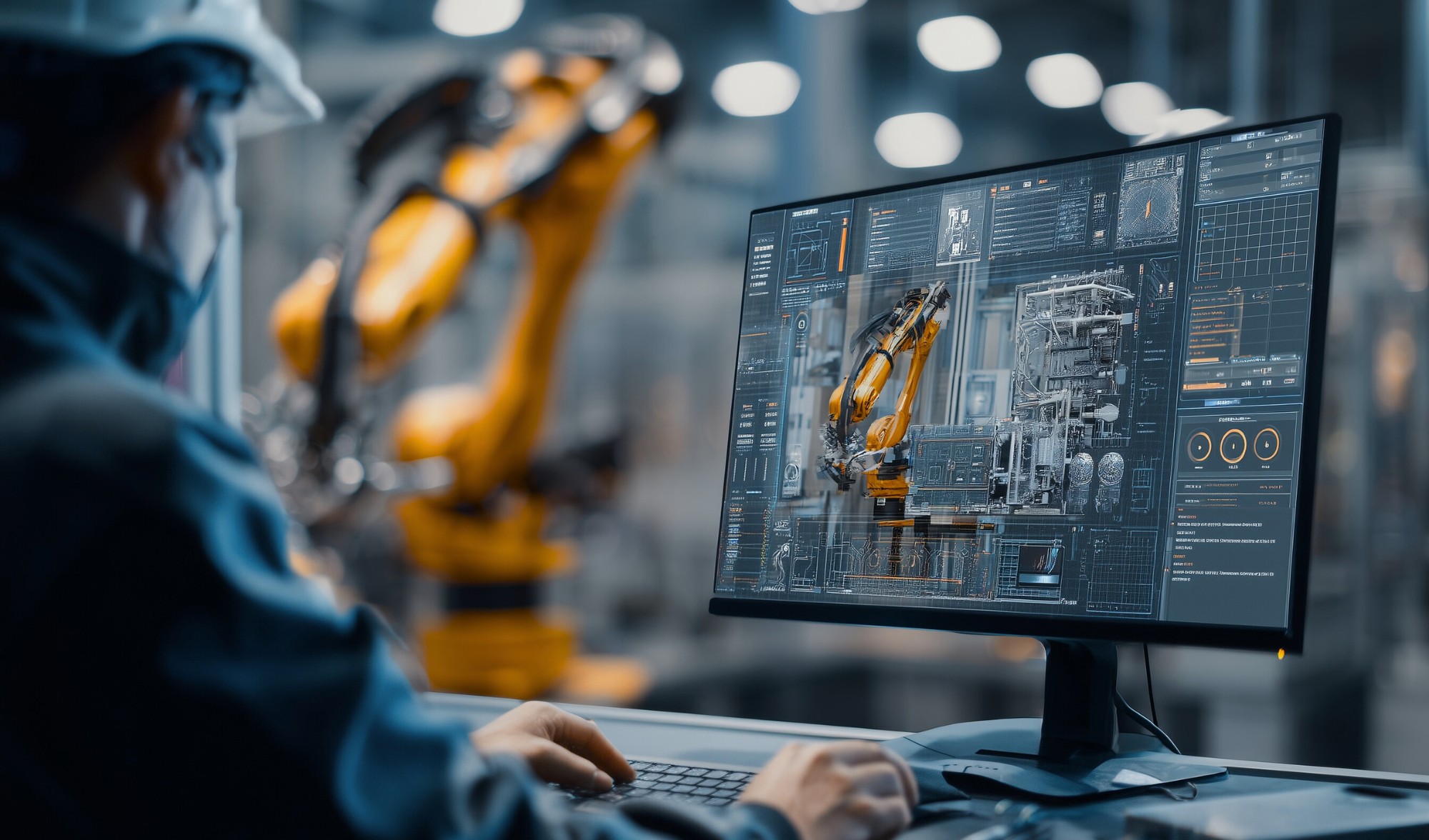
Equipment degrades gradually and sensors detect the early signs (vibration changes, temperature drift, and power fluctuations). But most manufacturers don’t have systems monitoring those signals in real time.
The result? You find out about the problem when the machine stops. Not 48 hours before when you could’ve scheduled maintenance during a shift change (and avoided the entire production disruption).
The AI Tools Manufacturers Are Actually Using
1) Predictive Maintenance AI
Tools: MachineMetrics, Augury, Uptake
Monitors equipment in real time using sensors that track vibration, temperature, and power consumption. AI learns normal operating patterns and flags anomalies before they cause failures.
Real example: Toyota reduced production defects by 53% using AI predictive maintenance. A Florida CNC shop predicted a spindle bearing failure 72 hours before it would’ve stopped production. They scheduled the repair during a weekend maintenance window instead of losing 4 hours of production time on a Tuesday afternoon.
Cost: $2,000-$8,000 hardware per machine + $150-$400/month software.
2) AI Quality Inspection
Tools: Cognex Deep Learning, Landing AI
Uses cameras and computer vision AI to inspect parts during production. Detects surface defects and dimensional issues faster than manual inspection.
Real example: An automotive parts manufacturer switched from manual inspection (85% accuracy) to AI vision inspection (99.7% accuracy). The quality team wasn’t replaced (they were reassigned to supervise the AI system and focus on root cause analysis instead of staring at parts for 8 hours a day wondering if that’s a scratch or just a reflection).
Cost: $5,000-$15,000 hardware + $200-$600/month software.
3) AI Production Scheduling
Tools: Dploy Solutions, Flexis AG
AI calculates optimal production schedules and recalculates in real-time when disruptions occur (machine breakdowns, rush orders, and material delays).
Real example: A contract manufacturer using Excel to schedule 8 production lines saw on-time delivery improve from 78% to 94% after implementing AI scheduling (turns out a 20-year-old spreadsheet with 47 tabs isn’t the most efficient planning tool). Overtime labor dropped 22% because the AI stopped them from overcompensating for poor planning.
Cost: $800-$2,500/month + $10,000-$25,000 implementation (one-time).
4) AI Equipment Monitoring
Tools: SparkCognition, C3 AI
Aggregates data from all production equipment and prioritizes alerts by severity. Instead of drowning in 500 alerts per day, AI tells you which 5 actually matter.
Real example: A packaging manufacturer with 12 production lines reduced emergency repair calls by 60% because the AI flagged critical issues before they became catastrophic failures.
Cost: $1,500-$5,000/month + $500-$2,000 hardware per machine.
What Your IT Needs to Support Manufacturing AI
Most manufacturers assume they can’t use AI because their systems are too old. That’s not true (you don’t need to rip out your entire tech stack).
You need:
- Network bandwidth: Production-floor networks that can handle real-time sensor streams without slowing down operations
- Edge computing: Devices that process data locally so quality inspection doesn’t wait for cloud analysis
- Data integration: APIs that let AI tools pull data from your 10-year-old ERP in real time
- IT support that understands production schedules: Implementing AI can’t disrupt production (your IT partner needs to know the difference between office network downtime and production-floor downtime)
What This Actually Means
AI tools exist right now that predict failures, catch defects, and optimize schedules. Manufacturers like BMW and Toyota are using them to reduce downtime by 50-80%.
The barrier isn’t the AI. It’s having IT infrastructure that can actually implement it.
Is Your IT Infrastructure Ready for Manufacturing AI?
We help Florida manufacturers assess their current systems, identify AI opportunities, and implement tools that reduce downtime without disrupting production.
→ Schedule a free manufacturing IT assessment
Learn more about our AI & automation services: AI & Automation for SMBs
Published: Jan 27, 2026
Need IT Support for Your Florida Business?
GiaSpace provides proactive managed IT services, cybersecurity, and local tech support across Florida — with teams in Gainesville, Fort Lauderdale, Jacksonville, and Ocala.
Managed IT Services FloridaCybersecurity Services FLGainesville IT ServicesFort Lauderdale IT Services